
Losing a Motorcycle and What It Means When Travellers Crowdfund for a New One!
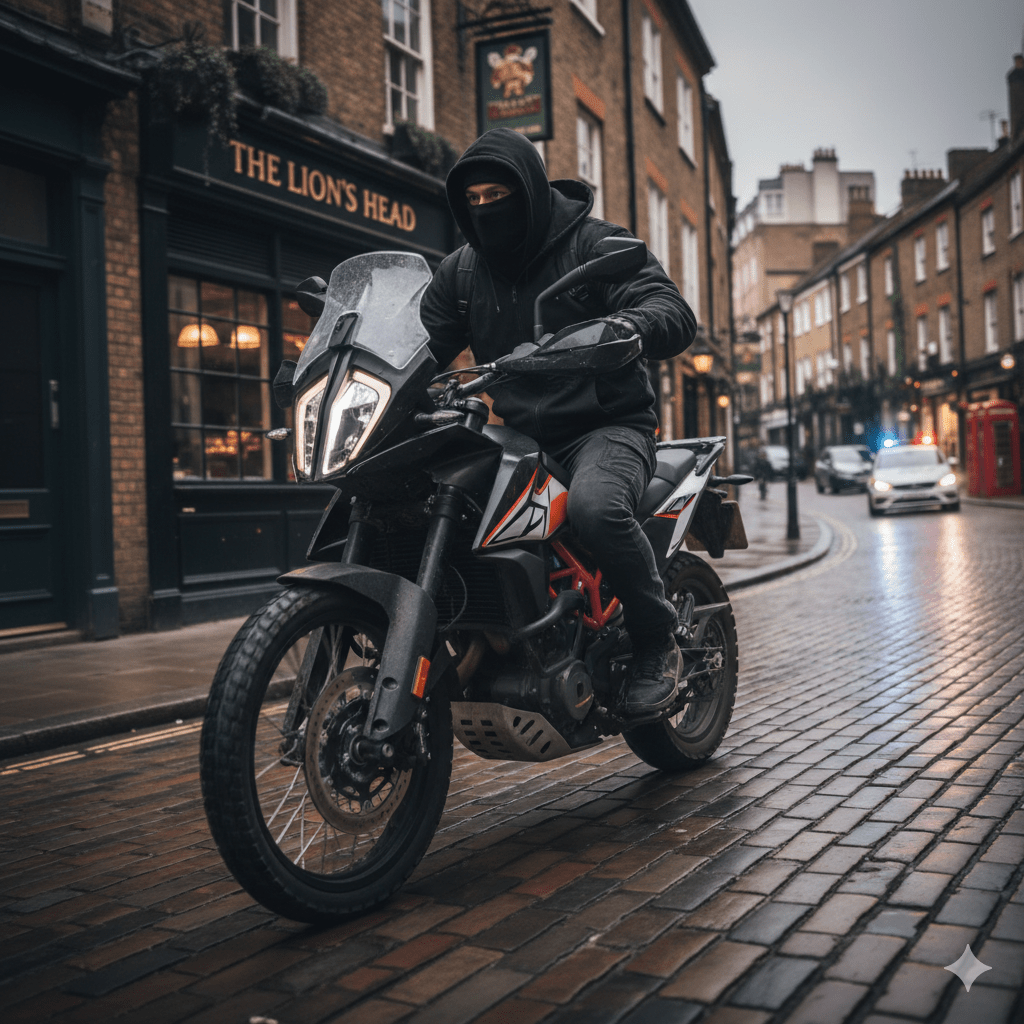
On February 14, 2014, my Yamaha R15 was stolen. The heartbreak I felt was indescribable. I spent days running from pillar to post. I wanted to get the police report filed. I desperately hoped the police find my motorcycle. Adding to my distress was the fact that I still had a year left to pay off the EMI. The feeling of owing money on a vehicle that was no longer in my possession was gut-wrenching.
Despite all efforts, my first motorcycle, the one I’d bought with my own hard-earned money, was never found. The process with the police and insurance dragged on for months. I eventually received a partial settlement from the insurance, but the emotional loss lingered long after. I was without a motorcycle for almost two years, gathering my finances before I could buy another. That bike was more than a vehicle; it was a symbol of freedom, achievement, and deeply personal journeys.
I share this story now for a reason. Recently, I’ve noticed many crowdfunding campaigns popping up. Travelers lose their vehicles when they are stolen during trips. Then, they ask the public to sponsor a new vehicle to continue traveling. I genuinely empathize with the shock and pain such a loss brings, especially when valuables and cash are lost too. It’s a stressful, disempowering situation. The first steps in such a crisis are always clear. Report the theft immediately to the nearest police station. File an FIR. Notify the insurance company. Each of these actions is vital for any hope of recovery or compensation. Then, reach out to friends, family, or well-wishers for enough help to return home and regroup safely.
What feels out of step to me, however, is asking strangers to finance a replacement vehicle. The financing request is solely for the purpose of resuming personal travel plans. Travel is a privilege, an aspiration, not a right. Seeking help in a moment of crisis to get out of harm’s way or to make it back home is valid. It is compassionate. Still, expecting the public to underwrite the cost of resuming a private journey crosses a line for many. In these situations, community support is best directed towards immediate, essential needs, shelter, safety, and getting home. Not towards fulfilling lifestyle aspirations.
Empathy is essential. Anyone who’s lost something so meaningful can imagine the pain. The best course for one’s own growth is to first focus on recovery and personal safety. This approach preserves the spirit of community support. Regrouping and personal safety are priorities, not continuing what was a discretionary journey by its nature. Resilience often means regrouping, reassessing, and returning stronger, without shifting the burden of personal dreams onto the kindness of strangers.
Let’s ensure our support is compassionate and fair. We must keep safety and regrouping in focus. Facing loss with courage maintains dignity in crises.


 LEAVE THE ROAD
How accurate!! I had similar opinion about the entire situation. It’s appalling to see the encashment of sympathy and that for personal benefit which in no way serves the larger crowd.
LikeLiked by 2 people
spot on.
LikeLike