Twenty-five years on the saddle has taught me more than how to handle wet gravel or a stubborn clutch; it taught me how to read people on the road. Riding isn’t just throttle and balance, it’s trust. You trust yourself, your motorcycle, and the people you choose to share the miles with. That trust is earned, not assumed.
So, when I heard about the young girl who died on a trip, and that the group continued because there were appointments to keep and a minister to meet, something in me went cold. I am completely heartbroken for the family; a life cut short is always devastating. My anger isn’t at grief. It’s at the casualness, the prioritizing of selfies and schedules over a human being’s life.
Motorcycling culture isn’t what it used to be. In the past, a group ride meant a tacit contract: look out for each other, stop when something goes wrong, use your network for help. Now I see more people for whom the ride is content, status, or an item on an agenda. That shift matters because riding is full of unpredictable variables. India makes unpredictability an art form. Potholes, livestock, errant trucks, sudden monsoon bursts, distracted drivers: anything can happen any time.
I pick my group rides carefully. I ask (sometimes silently, sometimes out loud): Do I trust these people to take care of me the way I will take care of them if something goes wrong? Do they have the presence of mind to stop, assess, and help? Do they know what to do at an accident scene? If I’m unsure, I’d rather ride alone than be in a group that would leave me worse off.
That may sound harsh. But the responsibility is real and personal. An organizer can’t ride for you. A celebrated brand or a high-profile meet doesn’t reduce risk. If an organizer deliberately puts you in an obviously dangerous situation, like sending people down rapids without life jackets or into an avalanche-prone slope, that’s criminal negligence. But most motorcycle hazards aren’t that obvious. A truck misjudges a gap, a distracted driver clips you, a simple fall turns catastrophic. It can happen to the most experienced of riders. One of the best motorcyclists I have known, got taken out, by a distracted driver, on the way back from an event. Experience reduces risk, but it doesn’t eliminate it.
There are times when organizers and fellow riders deserve blame. If someone is injured, you stop the ride. Period. Social media activity, meeting a VIP, or keeping an event schedule is not more important than a human life. If you have connections, use them for evacuation and medical help, don’t use them as a photo-op. I’ve seen the reverse: less than a year ago at a brand event, a rider had a fall broke his foot. His so-called group kept going; they didn’t notice he was missing. My friend and I stopped, called the brand POC, and they arranged an ambulance that was already on-site. Imagine if we hadn’t. The difference between chaos and order in those moments is often a single phone call by someone who cares.
The bitter truth is people have become inconsiderate, even to those in their own circle. That makes personal responsibility even more important. So, what can you do to safeguard yourself as a motorcycle traveler? A few practical things that come from years on the road:
Do
- Vet your group: ride only with people you know or who come with strong recommendations. Trust is non-negotiable.
- Learn basic accident response: first aid, how to stabilize someone, how to stop bleeding, how to move an injured rider safely only when necessary.
- Carry the right kit: basic trauma first-aid, a compact splint, a phone power bank, emergency contact card, and quick-access insurance/medical info.
- Train for first aid professionally: attend certified courses (NOLS, advanced first-aid, or riding organizations). I’ve done training runs with MTM; they matter.
- Know your ride: don’t ride unfamiliar bikes aggressively. If you must, take time to get comfortable before pushing limits.
- Plan evacuation: have a contingency plan, local emergency numbers saved, and a clear meetup point if someone goes missing.
- Use your network: if you know influential people, use their help for medical or transport assistance — that’s what connections are for, not for optics.
Don’t
- Ride with strangers just because a group looks big or “cool” online.
- Assume organizers will handle every emergency. They often won’t be prepared.
- Ignore red flags: slow response to a crash, people who prioritize pictures, or organizers who push schedules over safety.
- Leave an injured rider unattended or assume “someone else will call.” If you’re there, act.
- Ride a motorcycle you haven’t familiarized yourself with at speed or on difficult terrain.
- Trust social media narratives over facts when judging an incident. Investigate, but don’t excuse inaction.
We can debate who is at fault in any particular tragedy, organizers, fellow riders, or systemic failures. #influenzaaaa and online chatter will push their narratives; some of it may be fair, some of it performative. But the core is simple: you are ultimately responsible for your own safety. Choose who you ride with. Train yourself to handle emergencies. Wear the right gear. And if you see something go wrong, stop.
I’ll sign off with an uncomfortable preference I’ve lived by: given a choice between being alone and being with people who won’t pick up the phone for you, I’ll choose to be alone every time. I’d rather face the risk on my own than be at the mercy of dimwits who treat life like a background prop for their next post.
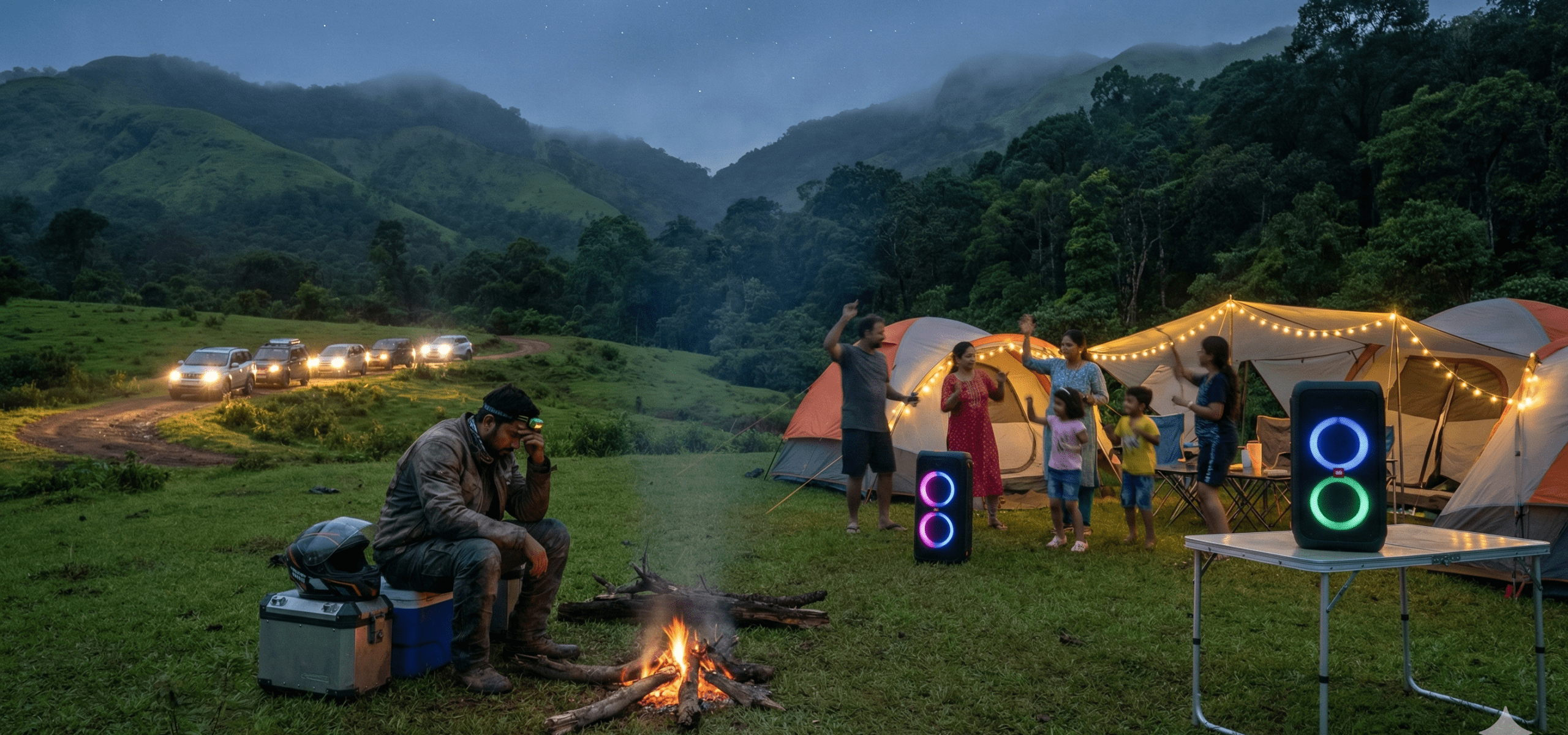
Picture this: It’s last night, I’m in the wilderness after a long day of tackling trails on my motorcycle, finally unwinding at a campsite with the stars overhead and the crackle of my campfire.
Peaceful, right? Wrong. A convoy of families rolls in, unleashing massive Bluetooth speakers blasting music at ear-splitting volumes. What was supposed to be a serene escape from Pune’s chaos turned into a neighborhood block party – in the middle of nowhere.
This wasn’t camping; it was an urban sprawl with tents. These “campers” treated the wild like an extension of their high-rise balconies: screaming over thumping bass, and zero regard for the dozen other souls seeking solitude. As a motorcycle traveler who’s crossed length and breadth of our beautiful country, dodged everything from landslides to leopards, I’ve seen my share of trail etiquette fails. But this? A new breed of camper who brings the city to the campsite, infecting their kids with the same arrogant disregard. And yeah, that vibe is sexually transmitted down the family line – kids mimicking the behavior like it’s normal.
It’s a shame because campsites are shared spaces, fragile ecosystems where one group’s party can ruin everyone’s reset. If you’re heading out camping, here’s the real talk on camping etiquette to keep the wilderness wild for all.
Essential Etiquette for Camp Sites
- Sound Off Before Sunset: No blasting speakers, generators, or fireworks after dark. Quiet hours (usually 10 PM to 7 AM) aren’t suggestions, they’re an unwritten pact. Use earbuds/headphones for music or low-volume chats. Your favorite track? Save it for the ride home.
- Respect the Space Bubble: Campsites are public, so keep noise, light, and smells contained to your spot. No shining headlights into tents at midnight. Distance your setup from others, and if you’re in a group, pick a designated area.
- Leave Every Place Better: Pack out every trash, wrappers, even biodegradable bits. Campfires? Use existing rings, keep them small, and fully extinguish (douse, stir, douse again). I’ve seen sites trashed by “families” who treat them like picnic spots.
- Kids and Pets on a Leash: Little ones are great but supervise them, no running through sites yelling or throwing rocks. Dogs? Leashed and quiet. No one is okay with them running around entering tents or sniffing their food.
- Arrive Prepared, Not Entitled: Research site rules via apps like Google Maps or local forest dept sites. Arrive late? Set up silently with red-light headlamps.
Public campsites thrive when we all act like uninvited guests in nature’s home. That night, I finally had to raise my voice (not something I’m proud of) after the music continued well past 1 a.m. despite repeated, polite requests throughout the evening. Only then did the music stop, and the campsite returned to what it was meant to be: quiet. What followed was pushback. I was told it was inappropriate to shout in front of their kids or families. That argument missed the point entirely. Was it acceptable to subject hundreds of other campers to loud music deep into the night, but unacceptable to call it out after every reasonable approach failed? This was a large campsite with over 400 people, and it took just a small group to disrupt the experience for everyone else. That night made something clear to me: the impact of one’s actions on others seems to rank very low on people’s priorities these days.
Next time, folks, may be channel that energy into stargazing or storytelling around a low fire. The wilderness doesn’t care about your playlist.
What’s your worst campsite horror story? Drop it in the comments, let’s build better habits together.
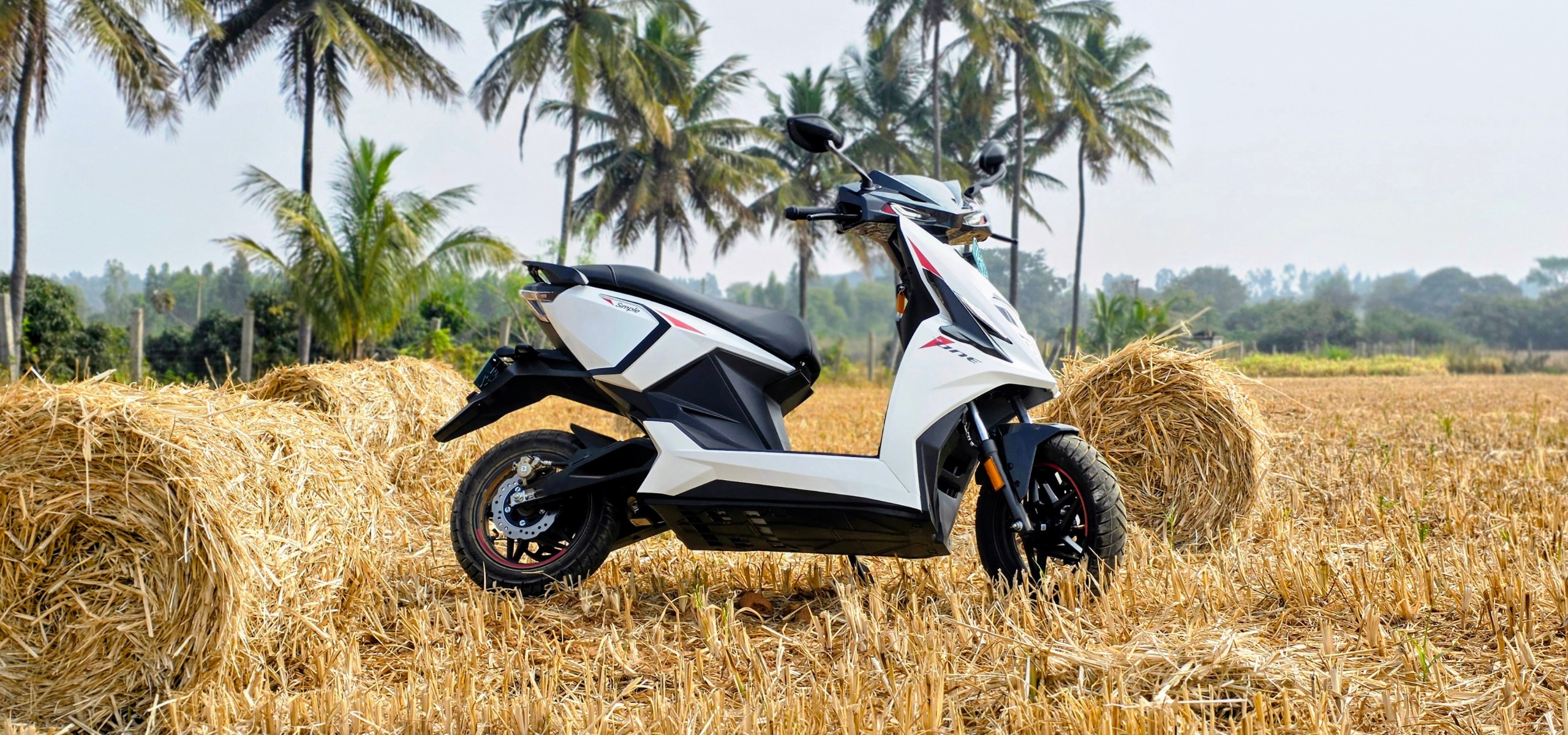
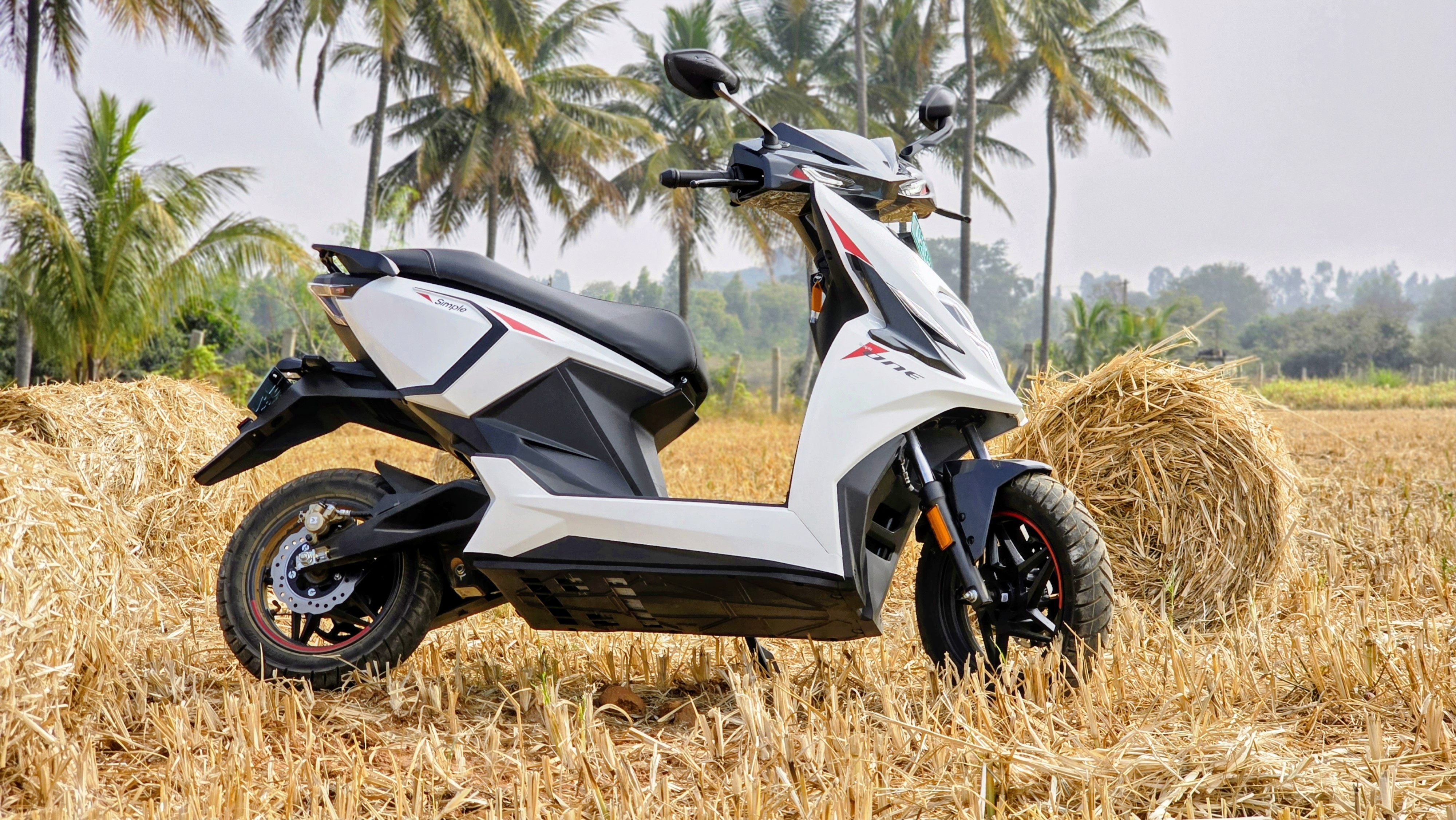
Spent a full day ripping around on the newly launched Simple One Gen 2 electric scooter from Simple Energy. Wow, what a ride! As a petrol-head motorcycle enthusiast, I needed some time to adjust to this silent EV. Still, it quickly won me over with its thrilling performance and smart features. Here’s my honest, no-BS take from pounding Bangalore’s city streets, highways, and off-road trails.
First Impressions: Silent Powerhouse
The silence hits hard! No engine roar, just pure electric whoosh. I grabbed the punchy 5 kWh variant (265 km IDC range, 115 kmph top speed, 0-40 kmph in 2.55 seconds), charged to 90%, and squeezed out 90+ km mixing Eco, Ride, Air, Sonic, and even Sonic X modes without easing off the throttle. Sonic X acceleration? Insane instant torque (up to 72 Nm peak) that nails overtakes. Didn’t track range until it dipped below 20%, classic petrol-head learning the EV ropes.
City & Off-Road Thrills
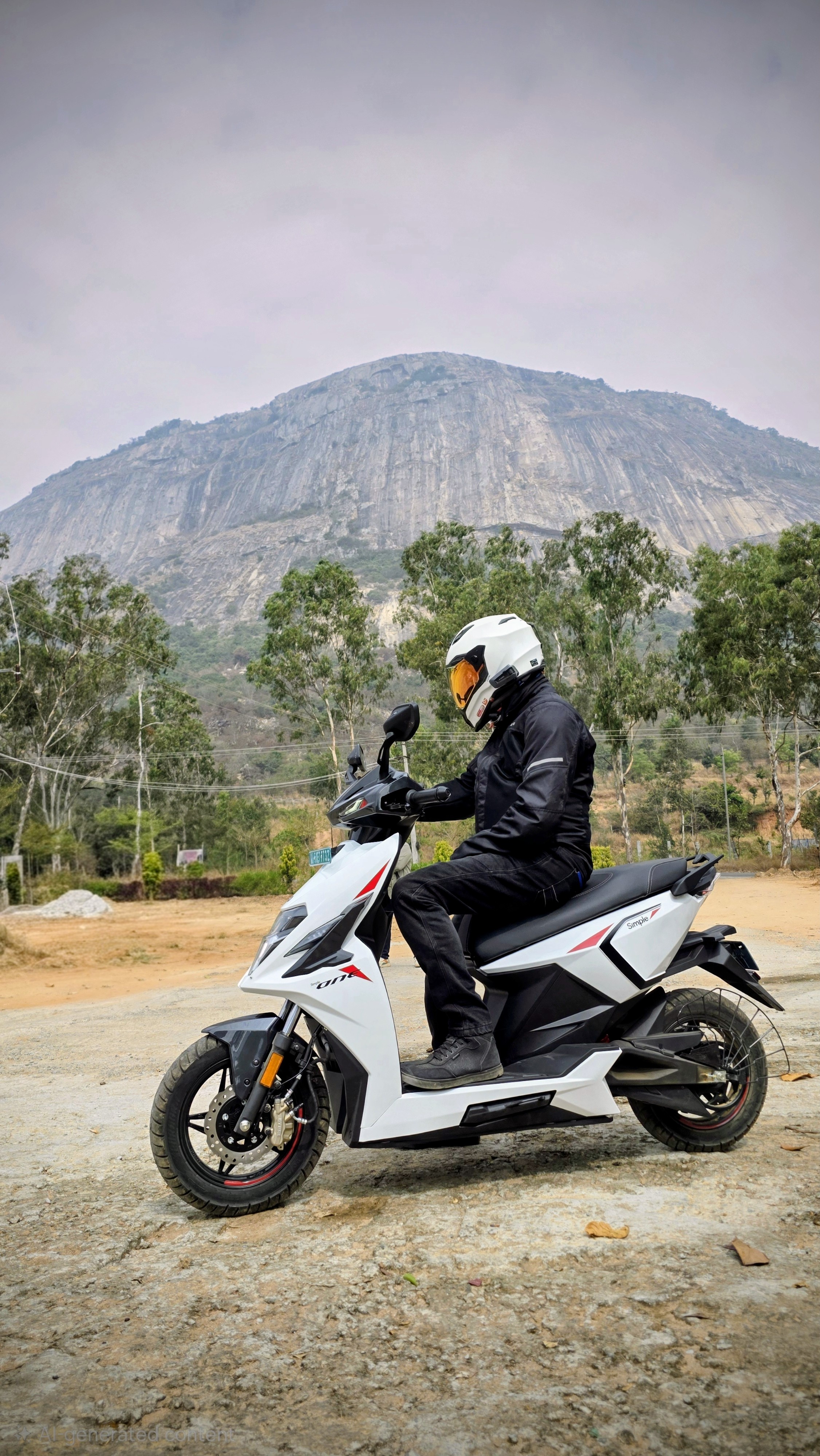
Ride and Air modes shine in traffic, efficient for puttering, punchy enough for city zips. Ride mode hits the sweet spot: balanced power, decent range, addictive pull without killing the battery. Off-road on bumpy dirt? It felt solid at 129 kg kerb weight, which is 8 kg lighter than Gen 1. The CBS disc brakes provide excellent control. Traction control, which even has a rally mode, helps maintain stability. The 4-level regen braking helps recharge while keeping it planted. The 780 mm seat height suits long commutes. The 35L underseat storage devours backpacks. There is also a handy 1L glove box for a phone or small gear.
Futuristic Features
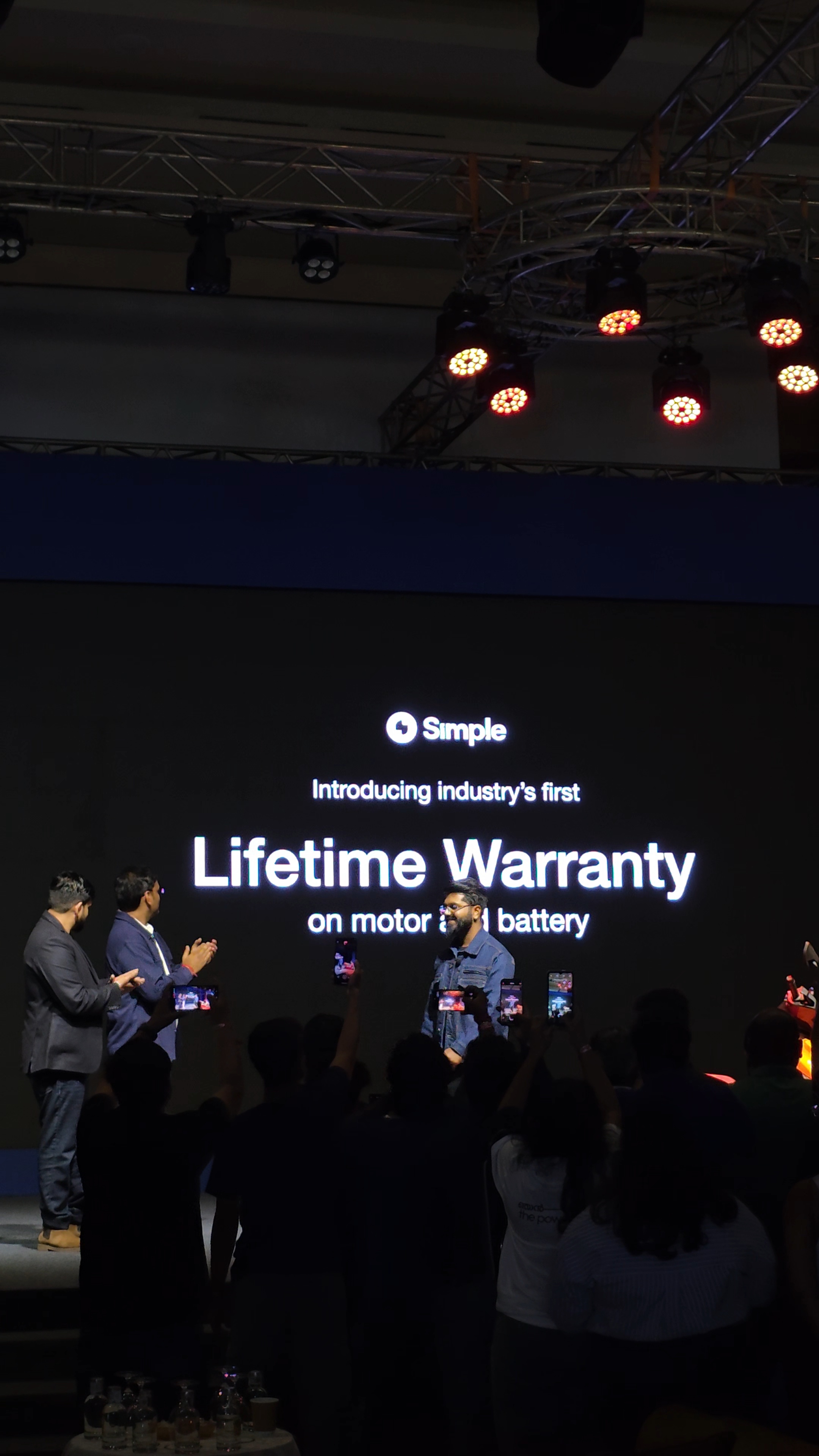
The UI provides a smartphone-like experience. It features a 7-inch touchscreen and runs on Android 12. It includes a 5G e-SIM for Bluetooth calls. You also get OTA updates, cruise control, and TPMS. Find My Vehicle and Park Assist make reversing easy. Six modes (Eco X, Eco, Ride, Air, Sonic, Sonic X) dial in your vibe perfectly. Portable 750W home charger is plug-and-play; public fast chargers hit 0-80% in ~2 hours 15 mins. An industry-leading 8-year motor/battery warranty, plus a 3-year/30,000 km vehicle warranty, screams reliability.
Honest Cons & Learning Curve
Range anxiety lingers for petrol-heads, but 200+ km real-world on Gen 2 eases it fast. MapMyIndia’s navigation lags with inaccurate spots (Mappls glitch). Google Maps integration would have helped. The display washes out in bright sun (worse with shades); brighter screen settings are much needed. Menus pack features but lack enough shortcuts. It does take a couple of rides to master the UI. The seat is comfy and the right height for shorter riders is perfect. It does slope awkwardly for tall folks (over 5’8″). This limits you if you would like to sit a little towards the back of the seat.
Pricing & Lineup
Simple Energy’s Gen 2 portfolio sets benchmarks:
- Simple One Gen 2 (4.5 kWh): 236 km IDC, 90 kmph top speed, 0-40 kmph in 3.3s – ₹1,69,999 ex-Bengaluru.
- Simple One Gen 2 (5 kWh): 265 km IDC, 115 kmph, 0-40 in 2.55s – ₹1,77,999 ex-Bengaluru.
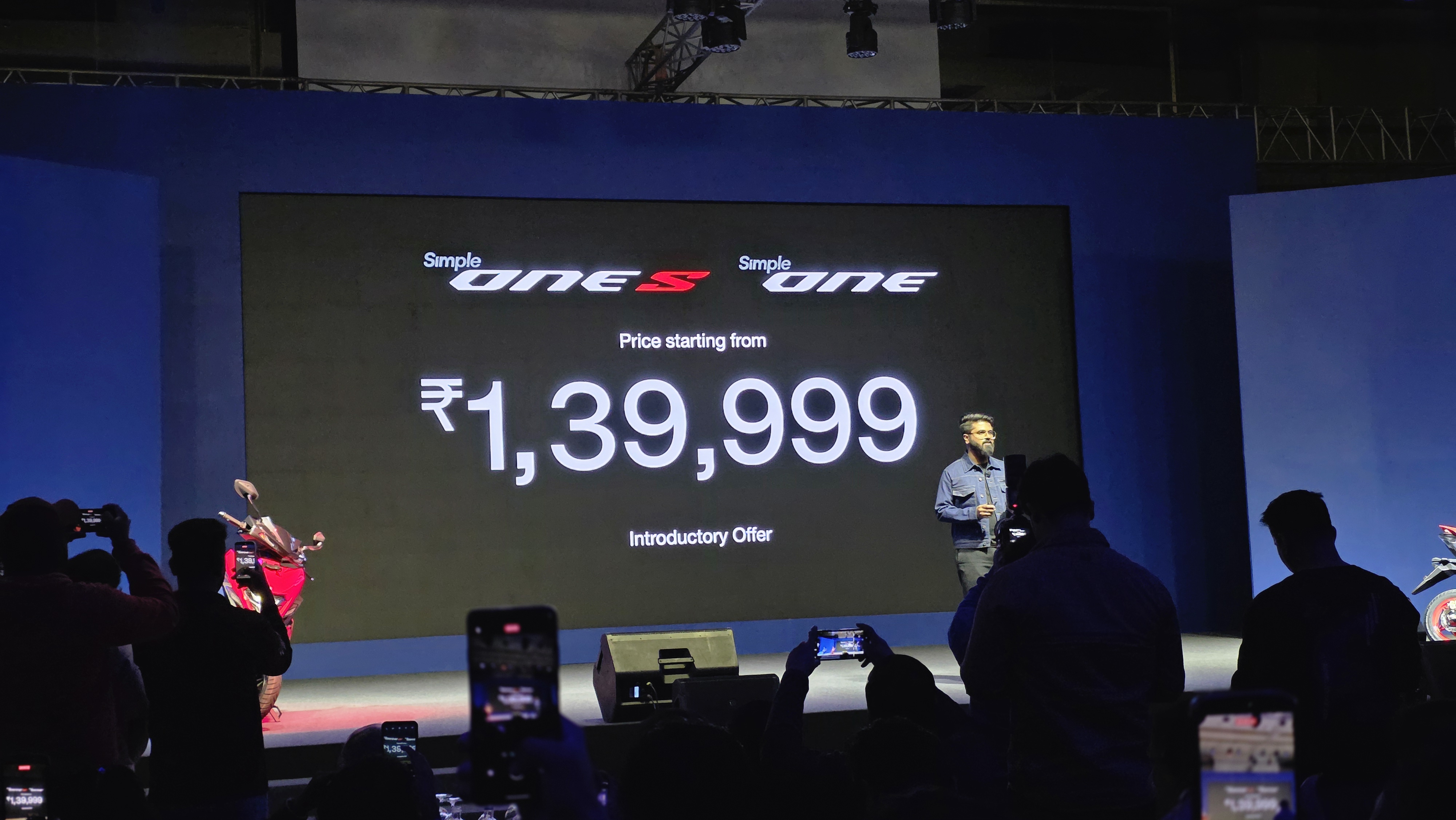
- Simple OneS Gen 2 (3.7 kWh): 190 km IDC (up from 181 km) – ₹1,49,999 ex-Bengaluru (intro ₹1,39,999!).
- Simple Ultra (6.5 kWh): India’s first 400 km IDC range, 115 kmph, 0-40 in 2.77s – coming soon.