
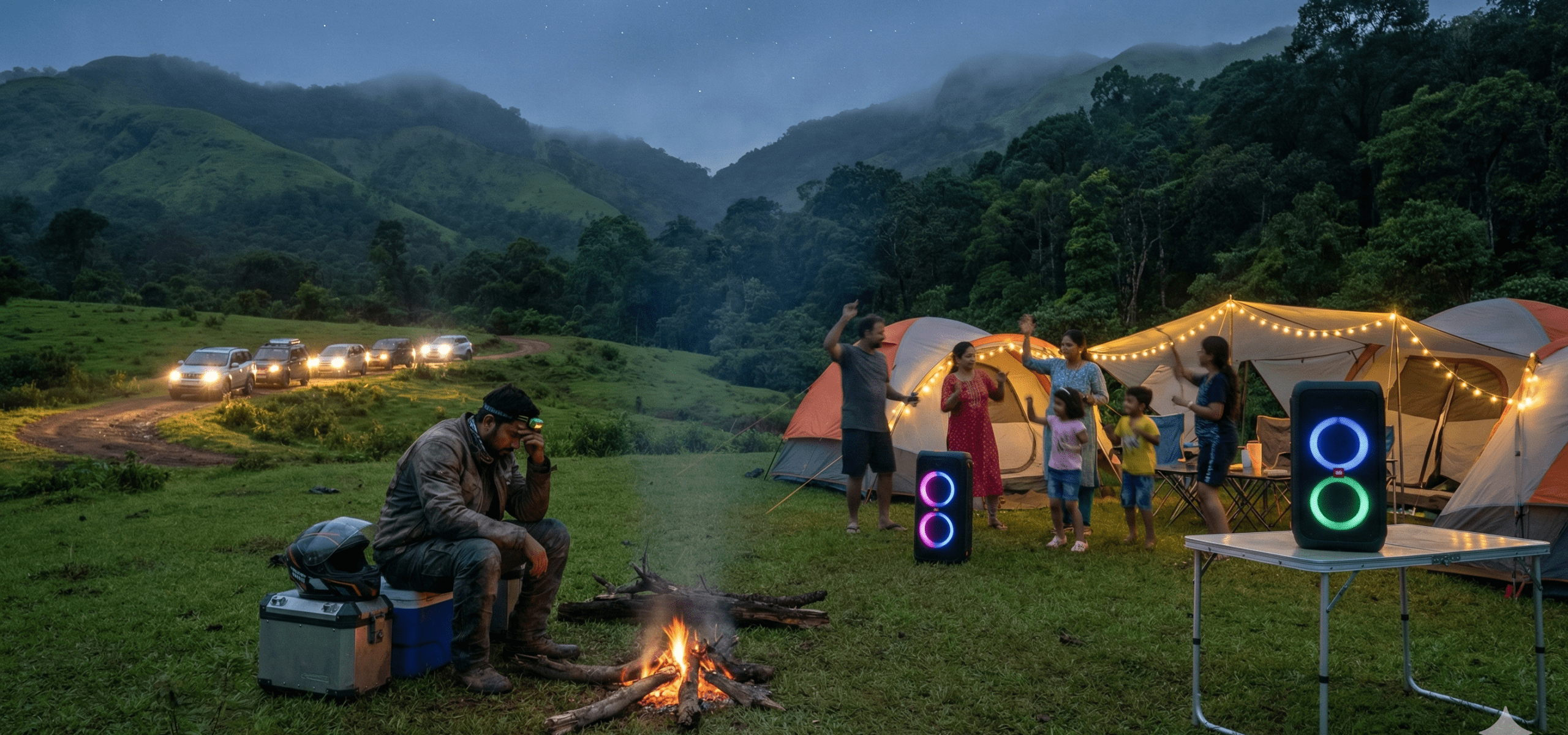
Picture this: It’s last night, I’m in the wilderness after a long day of tackling trails on my motorcycle, finally unwinding at a campsite with the stars overhead and the crackle of my campfire.
Peaceful, right? Wrong. A convoy of families rolls in, unleashing massive Bluetooth speakers blasting music at ear-splitting volumes. What was supposed to be a serene escape from Pune’s chaos turned into a neighborhood block party – in the middle of nowhere.
This wasn’t camping; it was an urban sprawl with tents. These “campers” treated the wild like an extension of their high-rise balconies: screaming over thumping bass, and zero regard for the dozen other souls seeking solitude. As a motorcycle traveler who’s crossed length and breadth of our beautiful country, dodged everything from landslides to leopards, I’ve seen my share of trail etiquette fails. But this? A new breed of camper who brings the city to the campsite, infecting their kids with the same arrogant disregard. And yeah, that vibe is sexually transmitted down the family line – kids mimicking the behavior like it’s normal.
It’s a shame because campsites are shared spaces, fragile ecosystems where one group’s party can ruin everyone’s reset. If you’re heading out camping, here’s the real talk on camping etiquette to keep the wilderness wild for all.
Essential Etiquette for Camp Sites
- Sound Off Before Sunset: No blasting speakers, generators, or fireworks after dark. Quiet hours (usually 10 PM to 7 AM) aren’t suggestions, they’re an unwritten pact. Use earbuds/headphones for music or low-volume chats. Your favorite track? Save it for the ride home.
- Respect the Space Bubble: Campsites are public, so keep noise, light, and smells contained to your spot. No shining headlights into tents at midnight. Distance your setup from others, and if you’re in a group, pick a designated area.
- Leave Every Place Better: Pack out every trash, wrappers, even biodegradable bits. Campfires? Use existing rings, keep them small, and fully extinguish (douse, stir, douse again). I’ve seen sites trashed by “families” who treat them like picnic spots.
- Kids and Pets on a Leash: Little ones are great but supervise them, no running through sites yelling or throwing rocks. Dogs? Leashed and quiet. No one is okay with them running around entering tents or sniffing their food.
- Arrive Prepared, Not Entitled: Research site rules via apps like Google Maps or local forest dept sites. Arrive late? Set up silently with red-light headlamps.
Public campsites thrive when we all act like uninvited guests in nature’s home. That night, I finally had to raise my voice (not something I’m proud of) after the music continued well past 1 a.m. despite repeated, polite requests throughout the evening. Only then did the music stop, and the campsite returned to what it was meant to be: quiet. What followed was pushback. I was told it was inappropriate to shout in front of their kids or families. That argument missed the point entirely. Was it acceptable to subject hundreds of other campers to loud music deep into the night, but unacceptable to call it out after every reasonable approach failed? This was a large campsite with over 400 people, and it took just a small group to disrupt the experience for everyone else. That night made something clear to me: the impact of one’s actions on others seems to rank very low on people’s priorities these days.
Next time, folks, may be channel that energy into stargazing or storytelling around a low fire. The wilderness doesn’t care about your playlist.
What’s your worst campsite horror story? Drop it in the comments, let’s build better habits together.
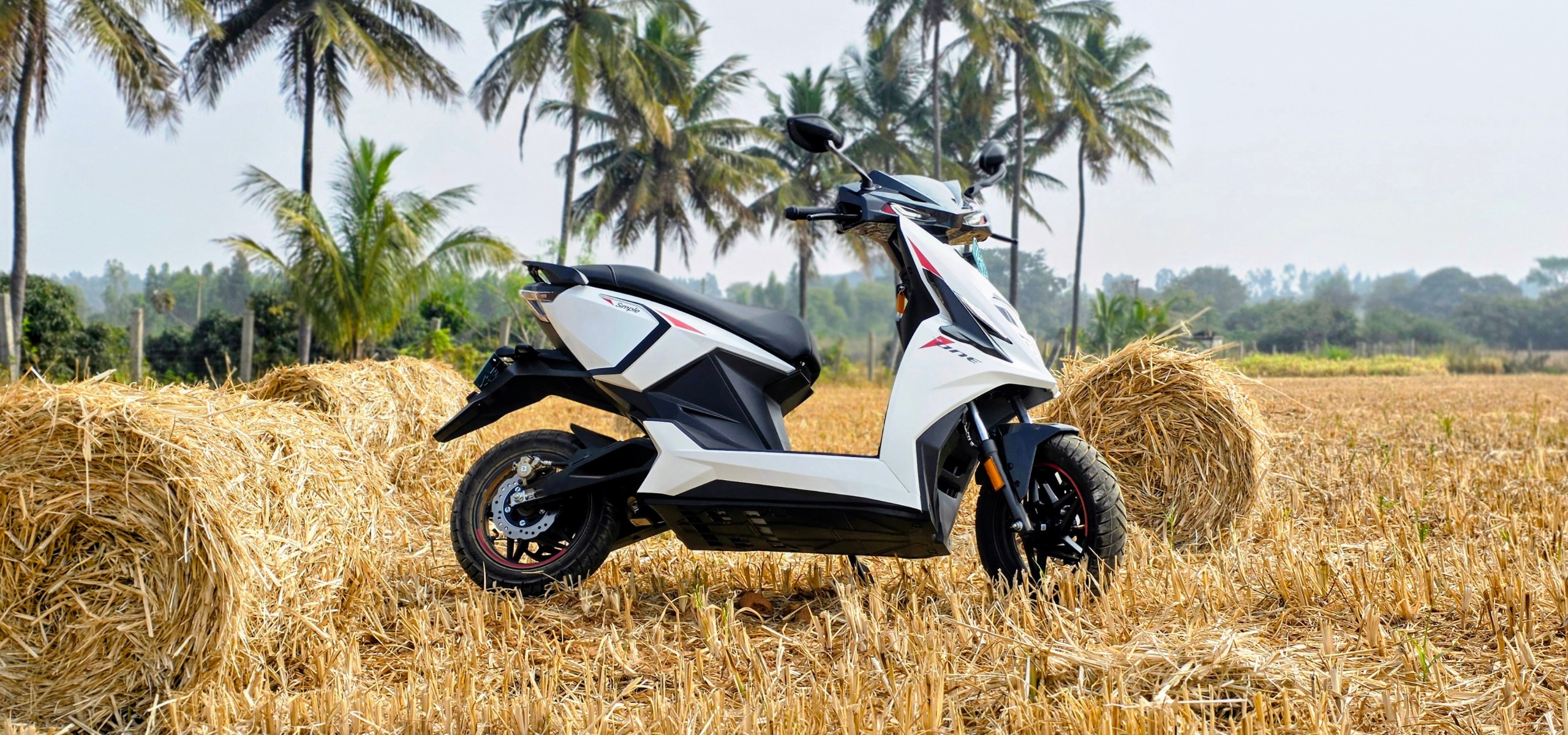
Spent a full day ripping around on the newly launched Simple One Gen 2 electric scooter from Simple Energy. Wow, what a ride! As a petrol-head motorcycle enthusiast, I needed some time to adjust to this silent EV. Still, it quickly won me over with its thrilling performance and smart features. Here’s my honest, no-BS take from pounding Bangalore’s city streets, highways, and off-road trails.
First Impressions: Silent Powerhouse
The silence hits hard! No engine roar, just pure electric whoosh. I grabbed the punchy 5 kWh variant (265 km IDC range, 115 kmph top speed, 0-40 kmph in 2.55 seconds), charged to 90%, and squeezed out 90+ km mixing Eco, Ride, Air, Sonic, and even Sonic X modes without easing off the throttle. Sonic X acceleration? Insane instant torque (up to 72 Nm peak) that nails overtakes. Didn’t track range until it dipped below 20%, classic petrol-head learning the EV ropes.
City & Off-Road Thrills
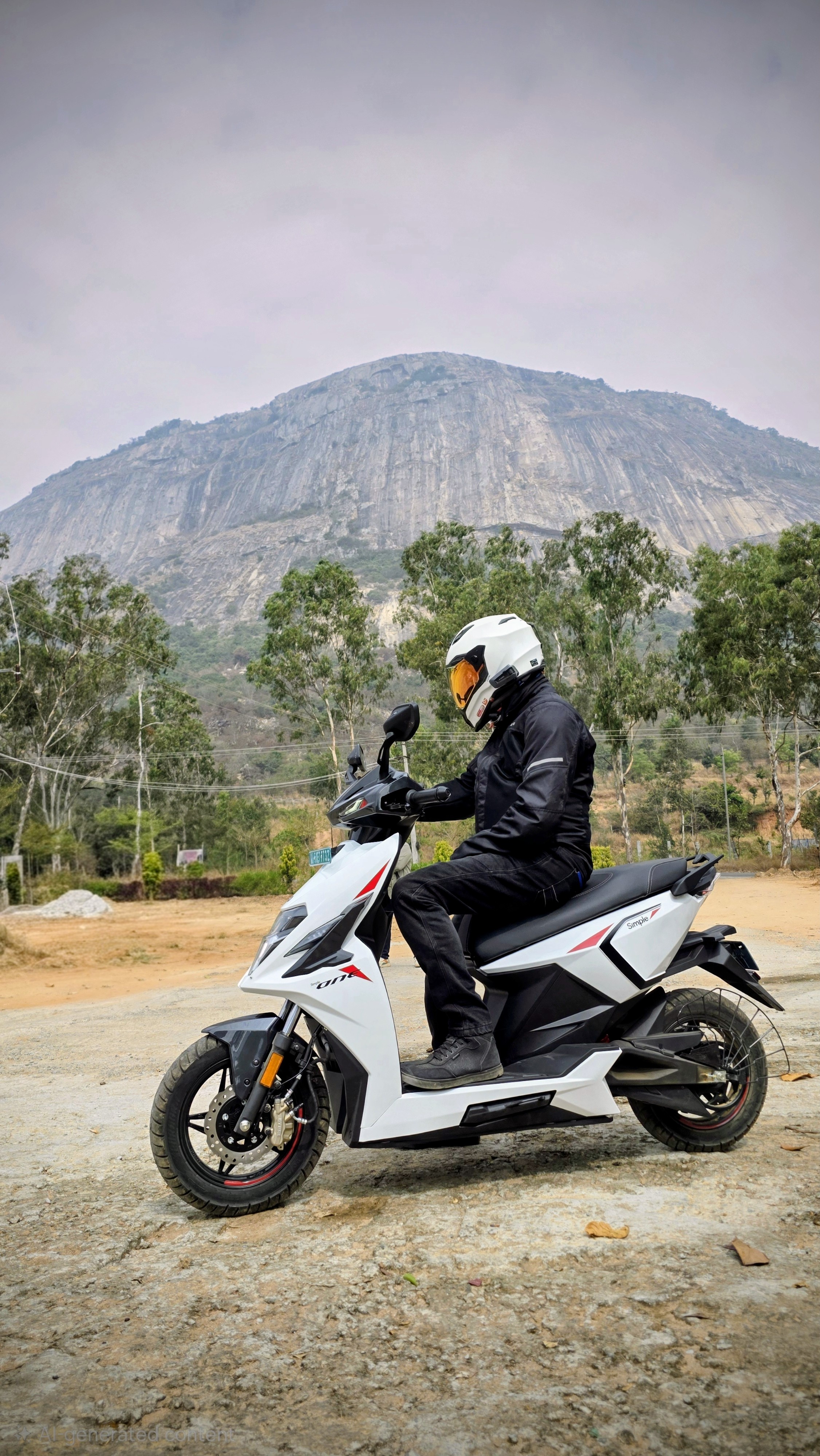
Ride and Air modes shine in traffic, efficient for puttering, punchy enough for city zips. Ride mode hits the sweet spot: balanced power, decent range, addictive pull without killing the battery. Off-road on bumpy dirt? It felt solid at 129 kg kerb weight, which is 8 kg lighter than Gen 1. The CBS disc brakes provide excellent control. Traction control, which even has a rally mode, helps maintain stability. The 4-level regen braking helps recharge while keeping it planted. The 780 mm seat height suits long commutes. The 35L underseat storage devours backpacks. There is also a handy 1L glove box for a phone or small gear.
Futuristic Features
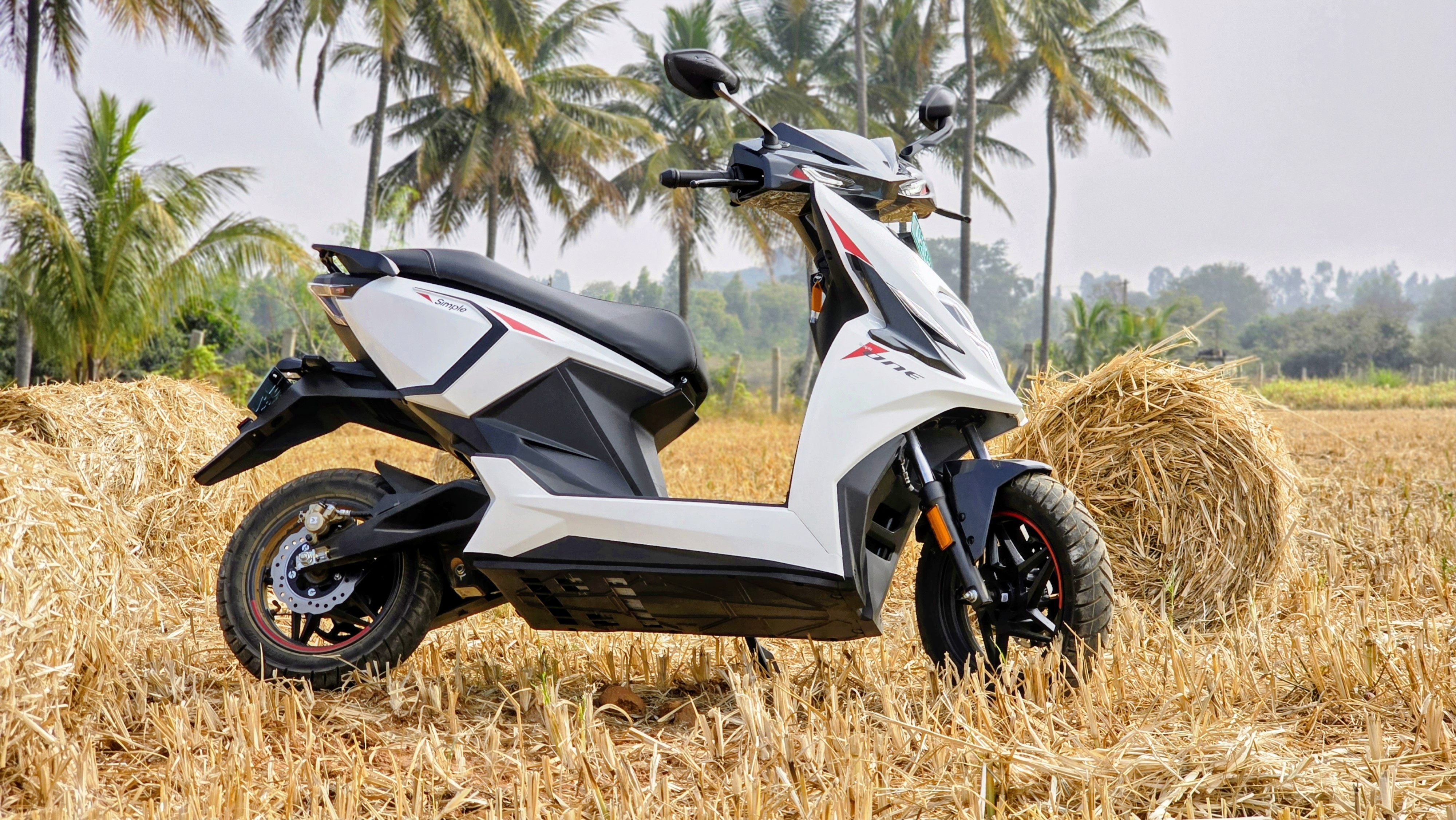
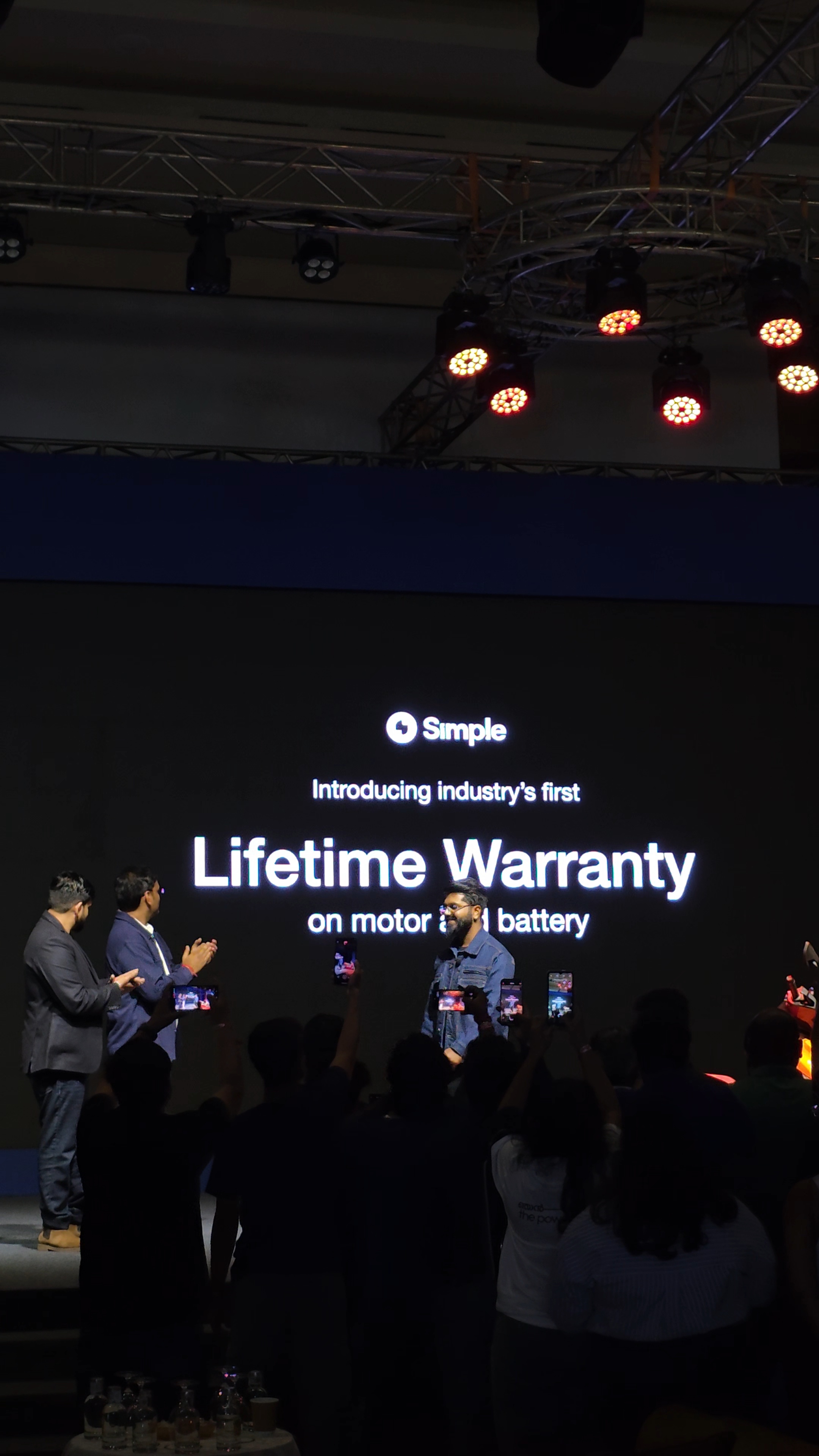
The UI provides a smartphone-like experience. It features a 7-inch touchscreen and runs on Android 12. It includes a 5G e-SIM for Bluetooth calls. You also get OTA updates, cruise control, and TPMS. Find My Vehicle and Park Assist make reversing easy. Six modes (Eco X, Eco, Ride, Air, Sonic, Sonic X) dial in your vibe perfectly. Portable 750W home charger is plug-and-play; public fast chargers hit 0-80% in ~2 hours 15 mins. An industry-leading 8-year motor/battery warranty, plus a 3-year/30,000 km vehicle warranty, screams reliability.
Honest Cons & Learning Curve
Range anxiety lingers for petrol-heads, but 200+ km real-world on Gen 2 eases it fast. MapMyIndia’s navigation lags with inaccurate spots (Mappls glitch). Google Maps integration would have helped. The display washes out in bright sun (worse with shades); brighter screen settings are much needed. Menus pack features but lack enough shortcuts. It does take a couple of rides to master the UI. The seat is comfy and the right height for shorter riders is perfect. It does slope awkwardly for tall folks (over 5’8″). This limits you if you would like to sit a little towards the back of the seat.
Pricing & Lineup
Simple Energy’s Gen 2 portfolio sets benchmarks:
- Simple One Gen 2 (4.5 kWh): 236 km IDC, 90 kmph top speed, 0-40 kmph in 3.3s – ₹1,69,999 ex-Bengaluru.
- Simple One Gen 2 (5 kWh): 265 km IDC, 115 kmph, 0-40 in 2.55s – ₹1,77,999 ex-Bengaluru.
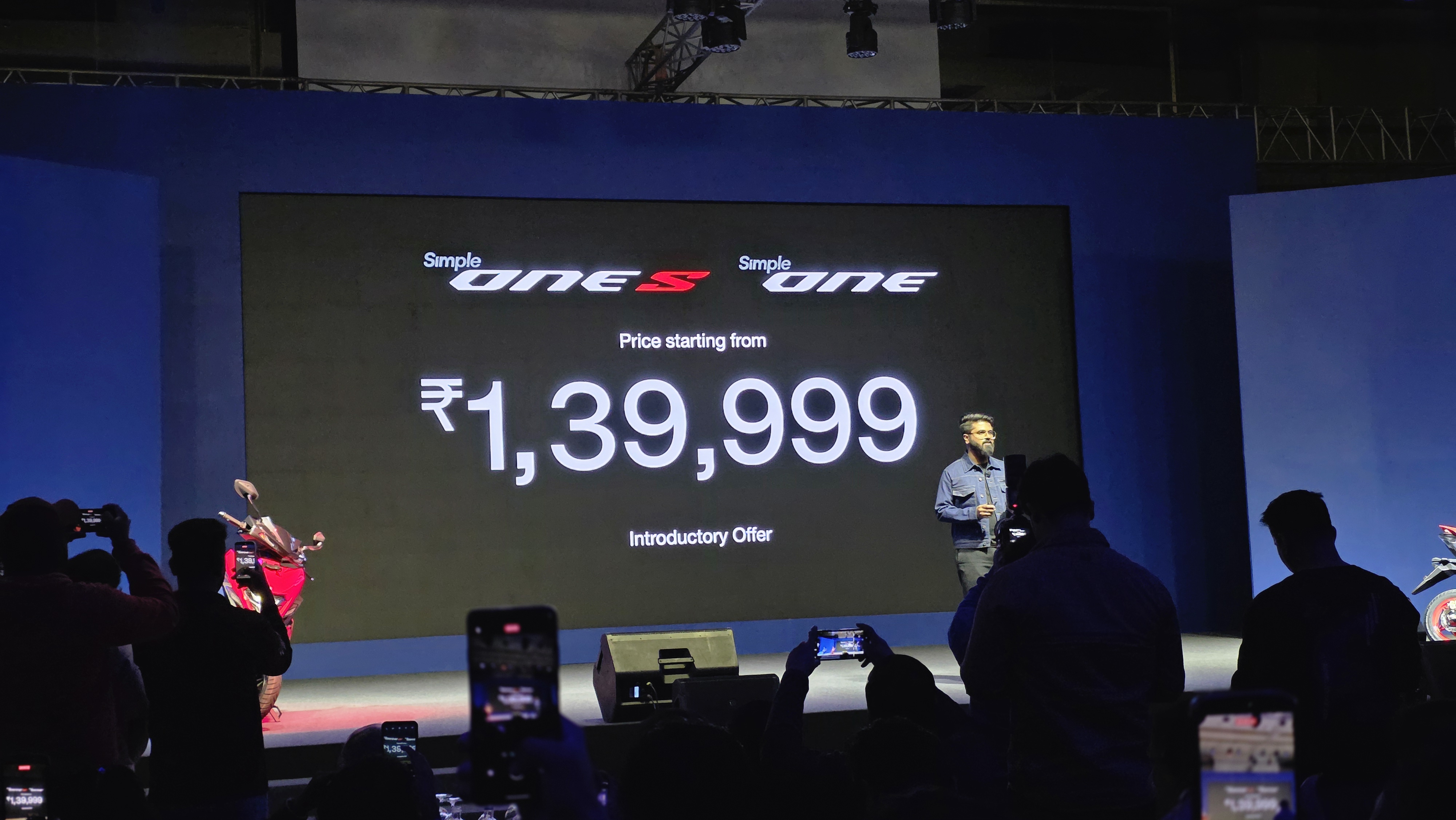
- Simple OneS Gen 2 (3.7 kWh): 190 km IDC (up from 181 km) – ₹1,49,999 ex-Bengaluru (intro ₹1,39,999!).
- Simple Ultra (6.5 kWh): India’s first 400 km IDC range, 115 kmph, 0-40 in 2.77s – coming soon.

The roots of the noise
Before “rev bombs” became the default party trick at every random bike meet, there was actually a culture and context behind loud motorcycles. In 1970s–80s Japan, Bosozoku gangs turned modified bikes and outrageous exhaust notes into a language of rebellion, identity, and territory. Their bikes were tuned to be obnoxiously loud on purpose, and the sound was part intimidation, part performance, and part protest against a stiff, conformist society.
Out of this scene came “sound battles”, riders using throttle, clutch, and rev-matching to create rhythmic, almost musical patterns with their engines. It was still antisocial in many ways, but within that subculture, there was a strange craft to how they chased a particular sound, a particular rhythm, and a very specific aesthetic.

From rebellion to empty noise
Fast forward to today, and most of what passes as “revving culture” at motorcycle festivals, city cafes, and late-night streets has lost all of that context. In many places, riders are not channeling some deep subculture; they are just yanking throttles on stock or badly-modded bikes in crowded public spaces, without any thought to people around them. The result is not rebellion, not art, not community, just nuisance.

Studies consistently show that motorcycle noise is perceived as more annoying than other road traffic noise at the same volume. This heightened annoyance spikes stress and irritation among people who have to listen to it, especially when motorcycles are revved aggressively and unpredictably. Authorities worldwide are cracking down on noisy and illegally modified exhausts because residents are fed up with sudden, sharp blasts disrupting their daily lives. What some riders think of as “showing passion” often just comes across as disrespectful to everyone else. An issue that’s very much evident during motorcycle festivals in places like Goa too.
What the motorcycle community should stand for
As riders, it is important to admit this: pointless revving in a crowded venue is not “biker culture,” it is just bad behavior in biker clothing. Around the world, even other motorcyclists are calling this out as pathetic and annoying, because it makes all riders look like inconsiderate attention-seekers. It is the kind of thing that gets more restrictions, more checks, and more hate aimed at everyone who rides, including the ones who are actually responsible.
Motorcycling at its best is about flow, control, and connection. with the machine, with the road, with the people you ride with and the places you ride through. The sound of a motorcycle on a good line, with clean shifts and precise throttle, will always be more beautiful than a stationary engine mercilessly bounced off the limiter. Thoughtful riders do not need to scream for attention; their riding speaks loud enough.
Read More


 LEAVE THE ROAD